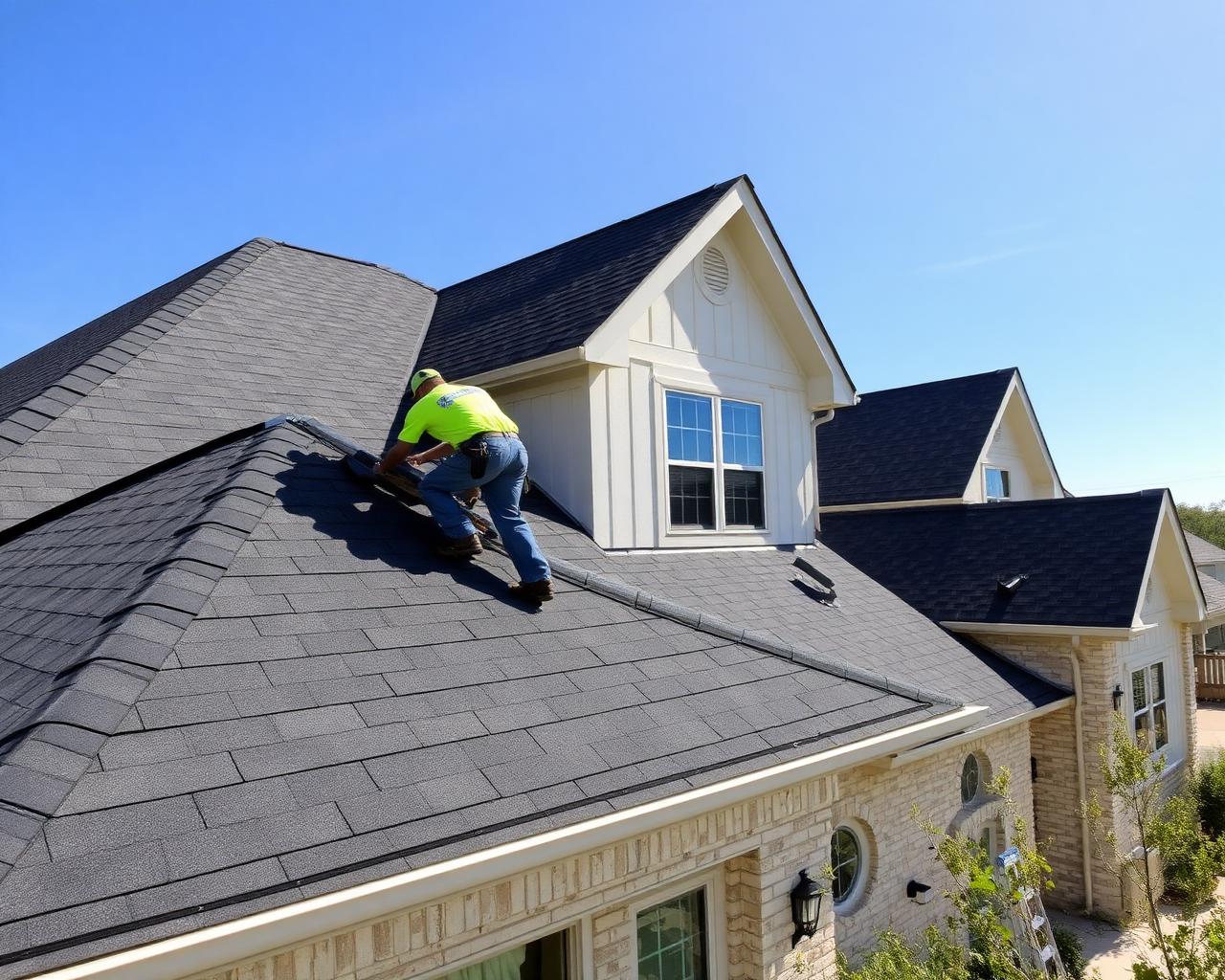
Why North Texas Roofs Wear Out Faster
Between scorching 100-degree summers, sudden hailstorms, high winds, and rapid temperature swings, roofs in Fort Worth and across DFW take a serious beating. Most asphalt shingle roofs are rated to last 15–25 years, but the harsh North Texas climate can shorten that lifespan considerably — especially after repeated hail seasons.
The combination of intense UV exposure and thermal cycling is especially destructive. On a summer afternoon, a dark roof surface can exceed 150°F, then cool rapidly after a sudden storm. That constant expansion and contraction breaks down asphalt binders, loosens granules, and works fasteners loose over time.
Catching the warning signs of roof failure early can save you thousands of dollars in water damage, mold remediation, and emergency roof repair. As a trusted Fort Worth roofing company, we offer free, no-obligation roof inspections so you know exactly where your roof stands before small problems become major ones.
1. Missing, Cracked, or Curling Shingles
Shingles that are curling at the edges, cracked, blistered, or missing entirely are a clear sign your roof is failing. Once the protective shingle layer is compromised, wind-driven rain can seep into the decking below and rot the wood structure.
There are two common types of curling to watch for: cupping (edges turn upward) and clawing (the middle rises while edges stay down). Both indicate advanced weathering and a roof nearing the end of its service life.
If you can see bare patches, lifted shingles, or shingle pieces scattered in your yard after a storm, it's time for a professional roof inspection before the next rain finds its way inside.
2. Granules Collecting in Your Gutters
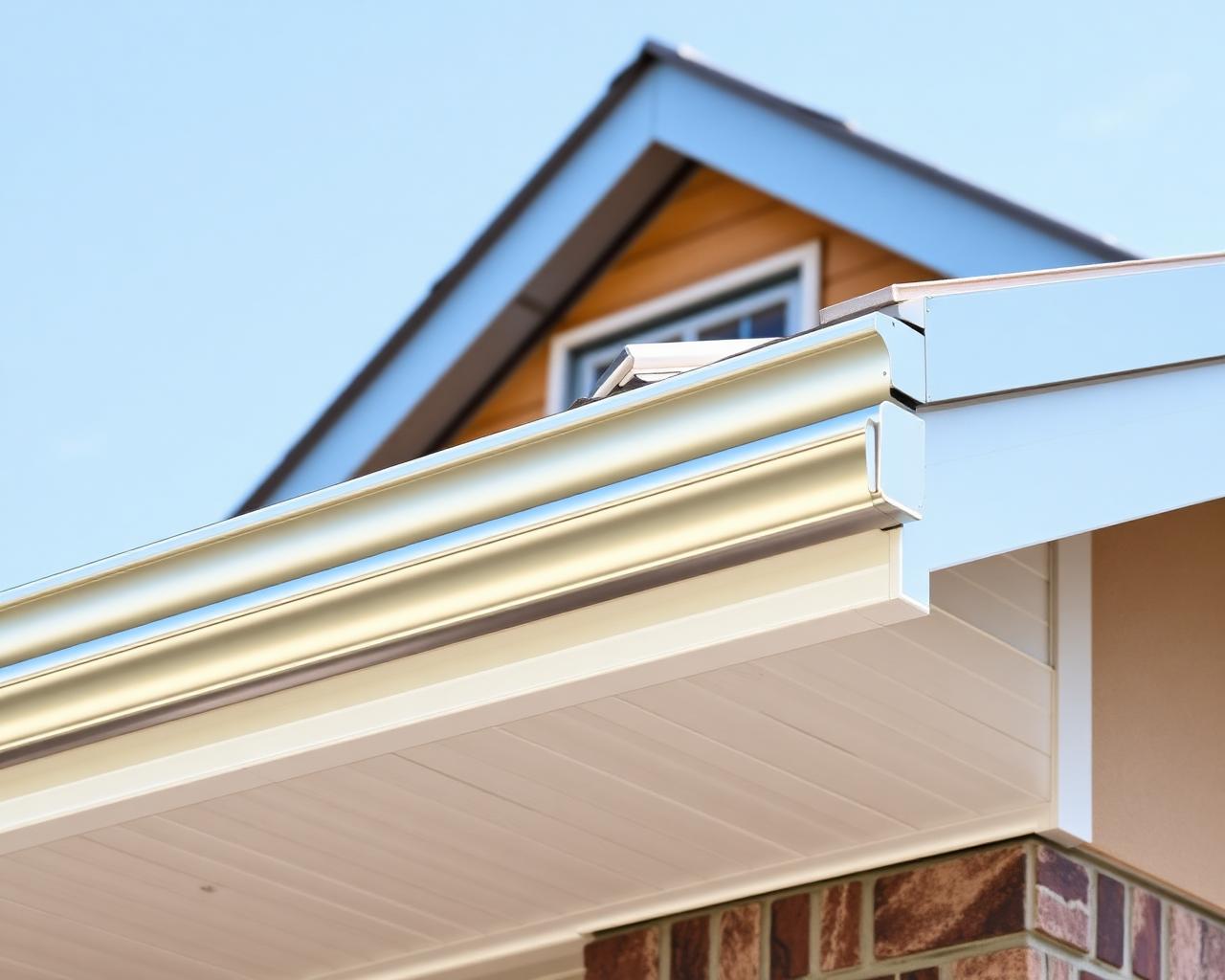
If you notice sand-like granules collecting in your gutters and downspouts, your asphalt shingles are breaking down. These ceramic granules shield shingles from damaging UV rays, and losing them accelerates roof aging dramatically.
Some granule loss is normal right after a new roof is installed, but heavy, ongoing accumulation — especially paired with shiny or discolored bald spots on the shingle surface — is a red flag that your roof is wearing out fast in the Texas sun.
3. Recent Hail or Storm Damage
North Texas sits in the heart of hail alley. After any major storm, schedule a free hail damage inspection right away. Hail can cause hidden damage — bruised shingles and fractured granules — that voids manufacturer warranties and leads to leaks months later.
Even a storm that didn't produce large hail can loosen shingles and damage flashing with high winds. The damage often isn't visible from the ground, which is exactly why so many homeowners miss their window to file a claim.
We document every point of damage with photos and a detailed report so you have everything you need for a successful homeowner's insurance claim.
4. Active Leaks and Attic Moisture
Water stains on ceilings or walls, daylight visible through the attic, a sagging roof deck, or a musty mildew smell all point to an active roof leak. The longer you wait, the more extensive — and expensive — the damage becomes.
Don't overlook the attic. It's often where roof problems show up first. Grab a flashlight and look for these warning signs:
- Dark streaks or water stains running down the rafters or decking
- Damp, compressed, or discolored insulation
- Visible daylight coming through the roof boards
- A musty smell that signals trapped moisture or early mold growth
5. Your Roof Is 15+ Years Old
Age alone is a strong indicator. If your asphalt shingle roof is pushing 15 to 20 years and you've weathered multiple hail seasons, replacement is often more cost-effective than ongoing repairs.
Newer Class 4 impact-resistant shingles also offer far better protection against North Texas hail and may lower your homeowner's insurance premiums. If you're not sure how old your roof is, check your closing documents or ask us to assess its remaining life during a free inspection.
6. Sagging Rooflines and Damaged Flashing
A roof deck that visibly dips or sags often means trapped moisture has weakened the decking or rafters — a structural concern that needs prompt attention. This is never a wait-and-see issue; a sagging roof can fail suddenly.
Flashing — the metal that seals joints around chimneys, vents, valleys, and skylights — is one of the most common entry points for leaks. Rusted, cracked, lifted, or improperly installed flashing lets water bypass your shingles entirely, so it deserves close attention during any inspection.
7. Rising Energy Bills
A failing or poorly ventilated roof lets your conditioned air escape and radiant heat pour in, forcing your HVAC to work overtime. If your summer cooling bills keep climbing without a clear explanation, your aging roof and attic ventilation may be the hidden culprit.
A properly designed roofing system balances intake and exhaust ventilation to keep the attic cooler, extend shingle life, and reduce strain on your air conditioning — a benefit many North Texas homeowners notice immediately after a quality replacement.
Repair vs. Replace: How to Decide
Not every problem requires a full replacement. A few missing shingles or a single flashing leak on an otherwise healthy roof is usually a repair. But when damage is widespread, the roof is past 15 years, or you're facing repeated repairs in the same season, replacement is almost always the smarter long-term investment.
When you replace rather than patch, you reset the warranty clock, upgrade to modern impact-resistant materials, and eliminate the hidden risks an aging roof carries. Our team gives you honest numbers on both paths so you can make the right call for your home and budget.
Schedule a Free Roof Inspection in Fort Worth & DFW
If you recognize even one or two of these warning signs, don't wait for a small issue to become a major repair. Our certified roofing team provides free inspections across Fort Worth, Arlington, and the greater DFW area, with honest recommendations and clear pricing on repair or full roof replacement.
We'll walk your roof, document its condition, explain what we find in plain language, and help you understand your options — including how to navigate an insurance claim if storm damage is involved.