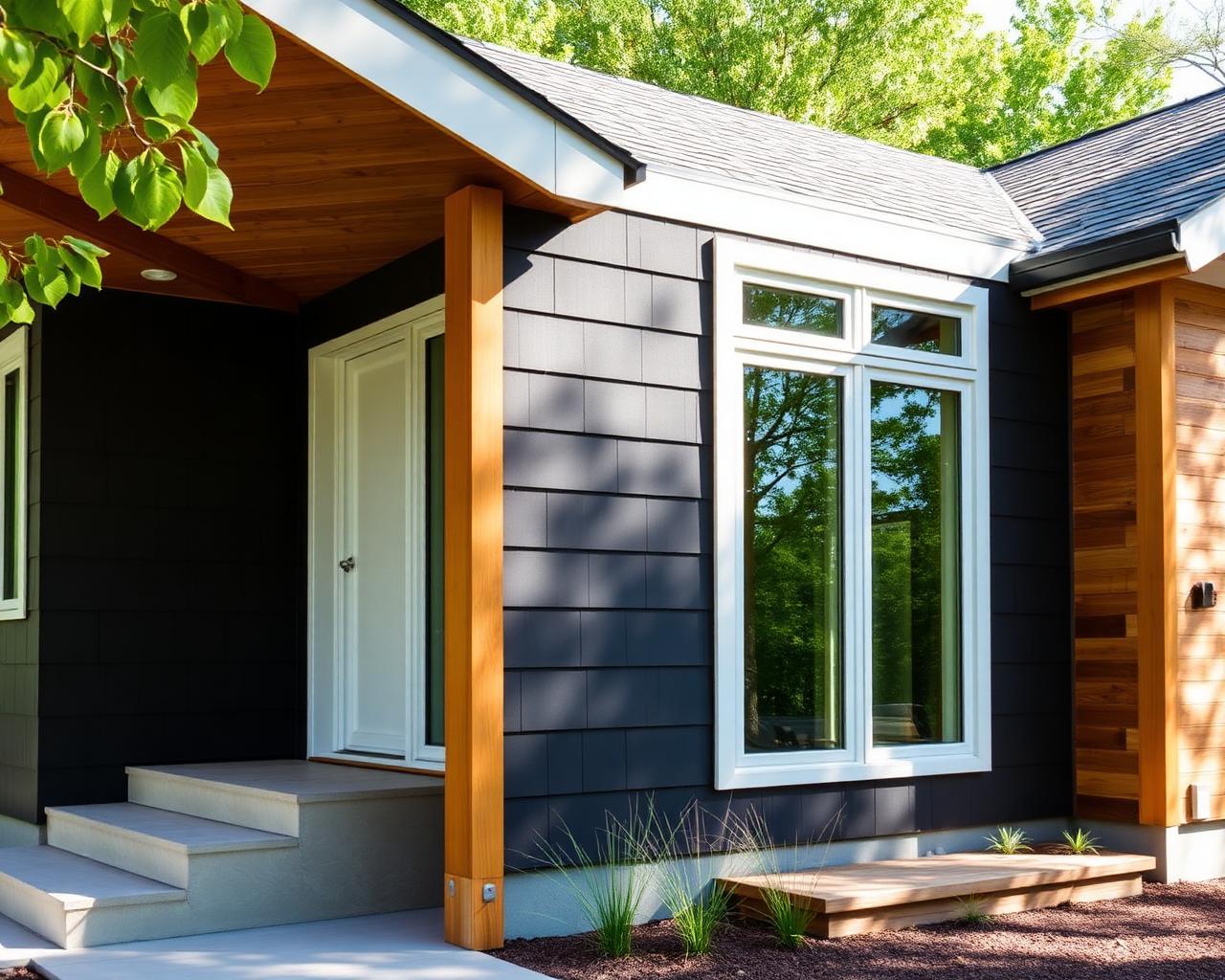
Why Siding Choice Matters in North Texas
Your siding is your home's first line of defense against intense Texas heat, hailstorms, high winds, and driving rain — and it's also the single biggest factor in your home's curb appeal. Choosing the right siding material protects your investment and can dramatically transform your home's appearance.
Beyond looks, siding plays a role in energy efficiency, moisture management, and pest resistance. The wrong material in our climate can warp, fade, crack, or rot far sooner than expected.
The two most popular choices for North Texas homeowners are fiber cement siding and insulated vinyl siding. As a full-service exterior remodeler, we install both, so this comparison is built to help you decide — not to push one product.
Fiber Cement Siding (James Hardie)
Fiber cement siding, like James Hardie products, is prized for its exceptional durability, fire resistance, and authentic wood-grain look. It stands up remarkably well to Texas heat, hail, and pests, won't rot or warp, and holds its color for decades thanks to baked-on factory finishes.
Here's why so many North Texas homeowners choose fiber cement:
- Outstanding resistance to hail, wind-driven debris, and impact
- Non-combustible and highly fire-resistant
- Won't rot, warp, or attract termites and other pests
- Factory-applied color finishes that resist fading for 15+ years
- Authentic wood-grain texture that boosts curb appeal and resale value
- Typical lifespan of 30–50 years with minimal maintenance
Vinyl Siding
Modern insulated vinyl siding is budget-friendly, low-maintenance, and never needs painting. The foam backing on insulated vinyl improves energy efficiency by reducing thermal transfer, helping keep your home cooler in summer and warmer in winter.
Today's vinyl is a major step up from older products and offers real advantages:
- Lower upfront cost than fiber cement
- Never needs painting — color runs through the material
- Insulated options that improve energy efficiency
- A wide range of colors and profiles, including wood-shake and lap looks
- Easy to clean with a garden hose and minimal upkeep
Cost, Maintenance & Durability Compared
Vinyl wins on upfront affordability and easy maintenance, making it ideal for many budgets and rental properties. Fiber cement wins on longevity, hail and fire resistance, and that high-end authentic wood look that boosts resale value.
On maintenance, both are far lower-upkeep than traditional wood siding. Vinyl typically just needs an occasional rinse, while fiber cement may need repainting every 12–15 years (though factory finishes like ColorPlus extend that significantly).
On durability in our hail-prone region, fiber cement has the clear edge — it resists the cracking and impact damage that can affect vinyl in a severe storm.
Curb Appeal and Resale Value
First impressions sell homes, and fresh siding transforms a tired exterior into a standout one. Fiber cement's authentic wood-grain texture and crisp shadow lines read as premium to buyers, which is why it consistently ranks among the top exterior upgrades for return on investment.
Quality insulated vinyl also delivers a clean, attractive, well-maintained look that appeals to buyers — particularly when paired with new trim, gutters, and a fresh color palette.
Energy Efficiency Considerations
In the North Texas heat, the right siding system helps your home stay comfortable and reduces strain on your HVAC. Insulated vinyl adds a continuous layer of foam insulation that reduces thermal bridging through wall studs.
Fiber cement itself isn't an insulator, but it can be paired with house wrap and rigid foam during installation to build a high-performing, weather-tight wall assembly. We'll recommend the right system for your home's construction and goals.
Our Recommendation for Texas Homes
For most North Texas homes, fiber cement (James Hardie) offers the best long-term value, durability, and curb appeal — especially in our hail-prone climate. It's the choice we most often recommend for homeowners planning to stay in their home for years.
That said, premium insulated vinyl is an excellent, cost-effective choice for many homeowners, rental properties, and tighter budgets. During your free estimate, we'll walk through samples, colors, and pricing for both so you can make a confident, informed decision.