Know Your Hail Risk in North Texas
Fort Worth and the greater DFW area sit squarely in the heart of hail country. Severe storms can roll in fast during spring and early summer, dropping hail that causes serious damage to roofs, gutters, siding, windows, and even your vehicles.
Texas consistently leads the nation in hail damage claims, and a single major storm can affect entire neighborhoods at once. Understanding your risk — and preparing before the storm — is the best way to limit costly damage and stressful insurance claims.
Proactive Protection Before the Storm
The single best defense is upgrading vulnerable components before hail season. Impact-resistant materials dramatically reduce storm damage and can even lower your homeowner's insurance premiums.
Here's how to harden your home before the next storm:
- Install Class 4 impact-resistant shingles, the highest hail rating available
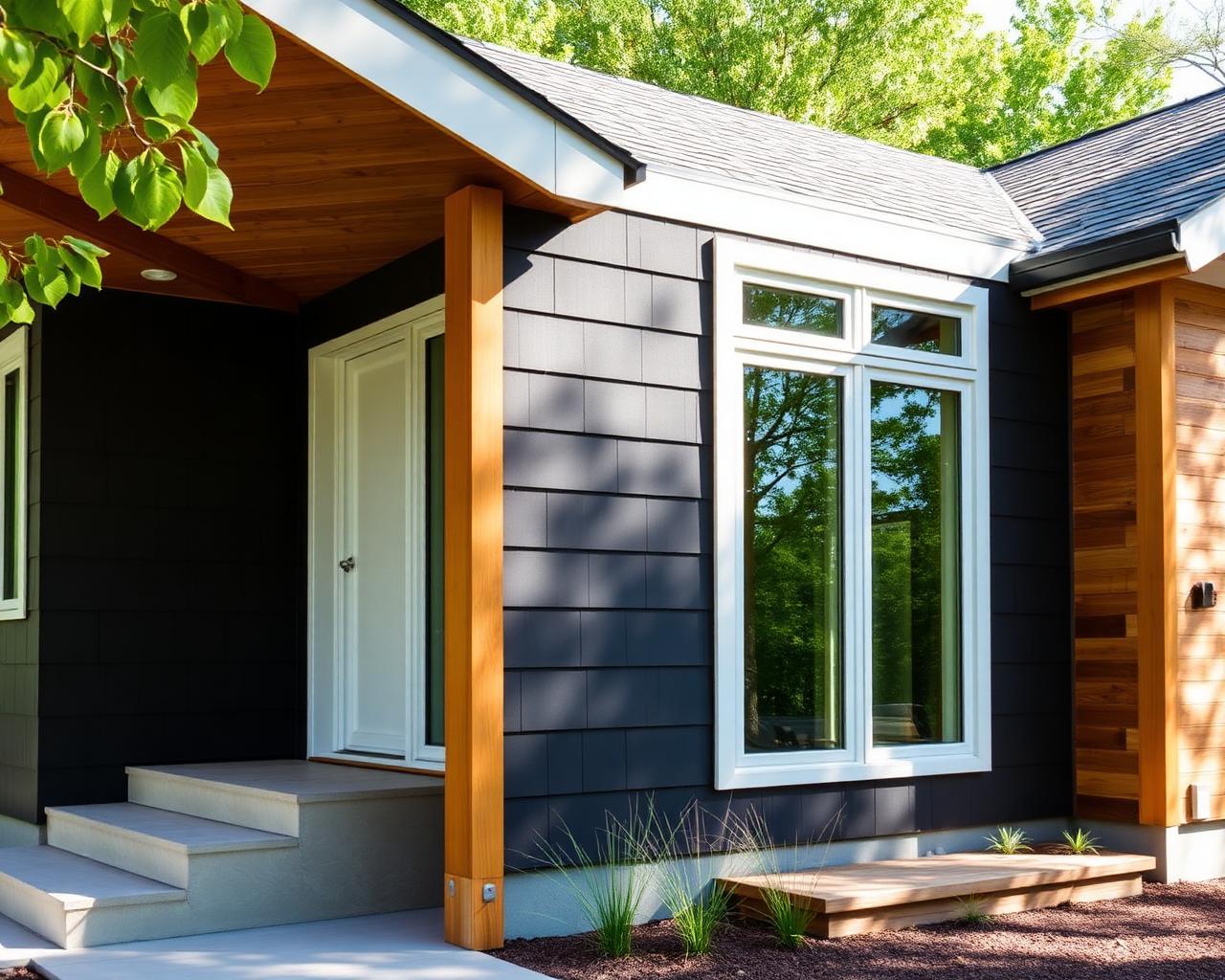
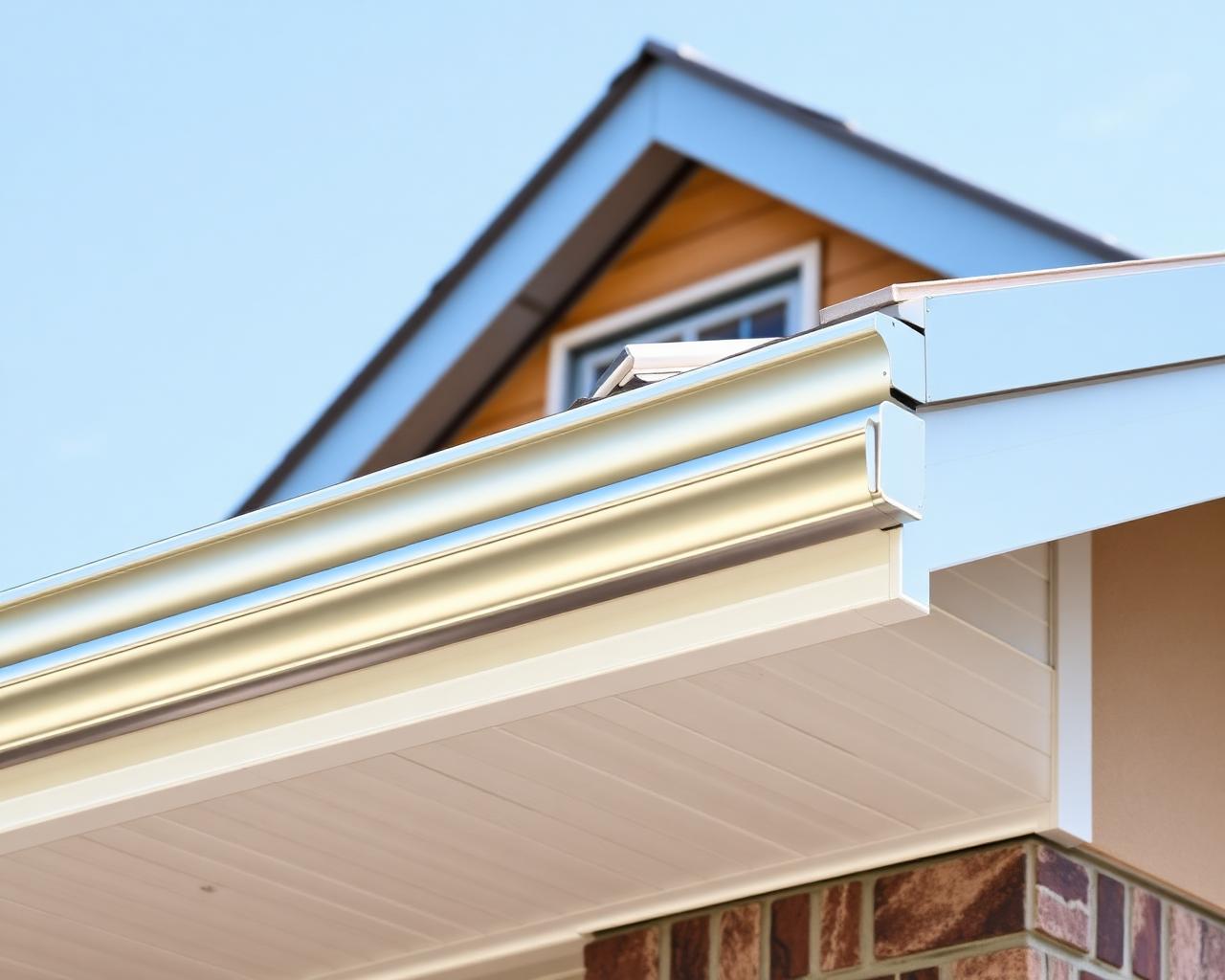
- Choose durable fiber cement siding and sturdy aluminum gutters
- Trim overhanging tree branches that could break in high winds
- Secure or store loose outdoor furniture, decor, and equipment
- Keep gutters clear so they can handle the heavy rain that often accompanies hail
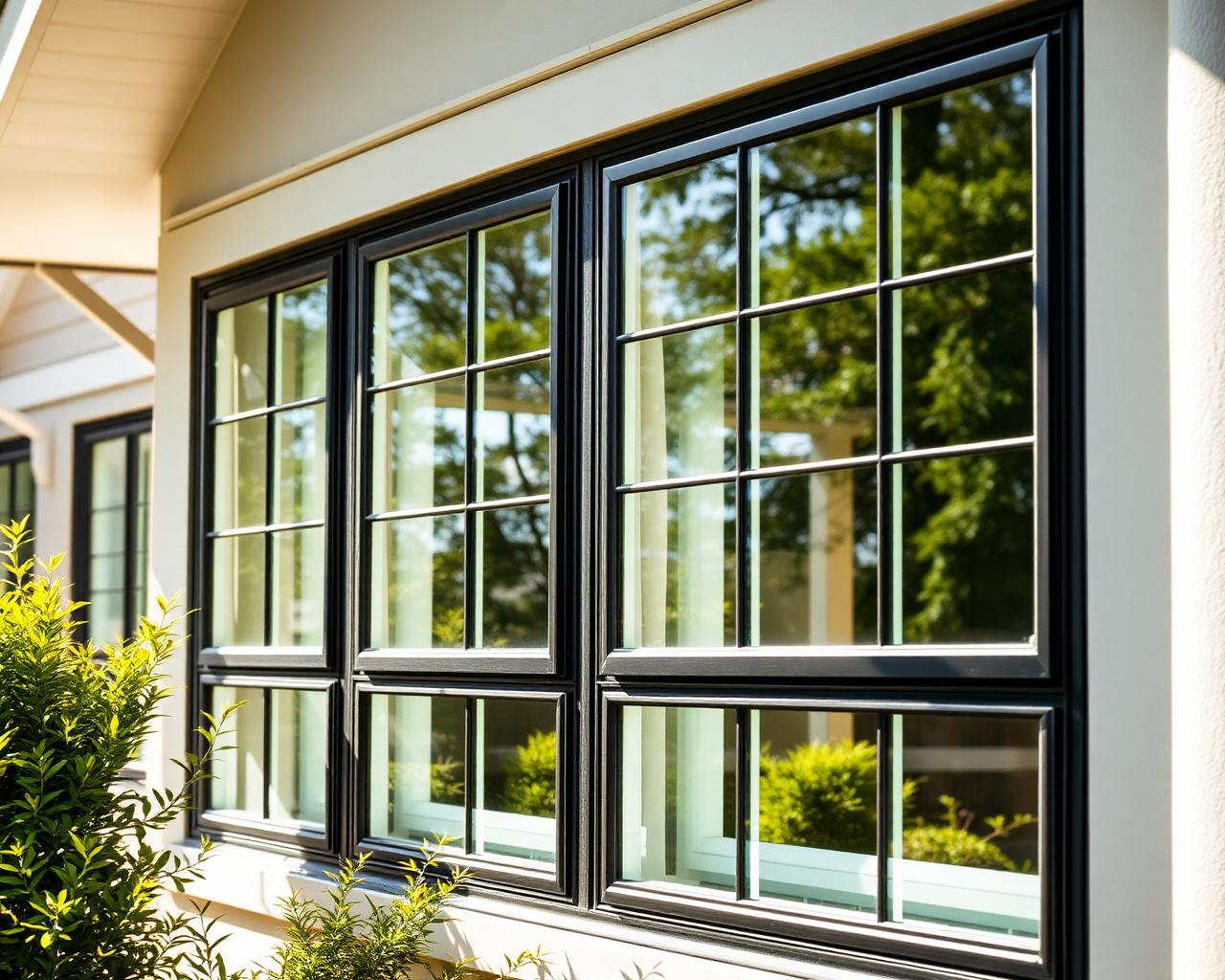
- Consider impact-resistant glass or storm protection for vulnerable windows
Why Class 4 Impact-Resistant Shingles Matter
Class 4 shingles are tested to withstand the impact of a two-inch steel ball dropped from height without cracking — the toughest UL 2218 rating available. In a hail-prone region like North Texas, that resilience translates to fewer leaks, fewer claims, and a longer-lasting roof.
Many Texas insurers also offer a premium discount for Class 4 roofs, which can offset part of the upgrade cost over time. We'll explain whether impact-resistant shingles make sense for your home during your free estimate.
What to Do Immediately After a Hail Storm
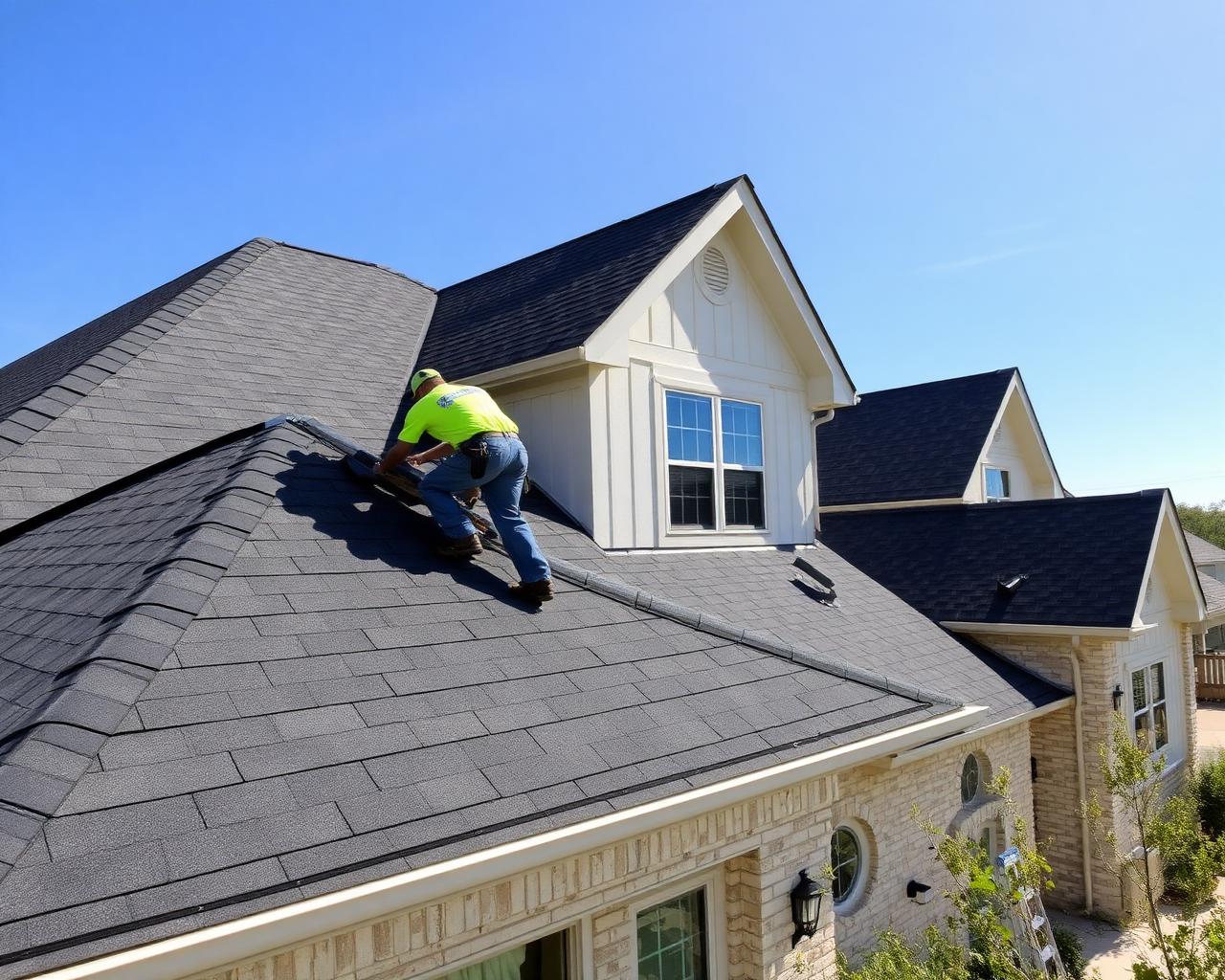
Once it's safe, document any visible damage with photos and video from the ground — dented gutters, cracked siding, broken windows, and shingle debris. Never climb on your roof yourself; hail damage is often hidden and dangerous to inspect without training.
Follow these steps right after a storm:
- Photograph all visible exterior damage from the ground, with timestamps
- Note the date and time of the storm for your insurance file
- Check the attic and ceilings for any signs of new leaks or water stains
- Schedule a free professional roof and exterior inspection promptly
- Avoid signing with high-pressure 'storm chaser' contractors who appear after every storm
Navigating Your Insurance Claim
Most Texas homeowner's policies cover hail and wind damage. File your claim promptly and let our team meet your adjuster on-site with a detailed damage report, so nothing is missed and your claim reflects the true scope of repair or replacement.
We work directly with all major insurance carriers across Fort Worth and DFW. Our role is to document the damage accurately, advocate for a fair scope, and complete quality repairs — making the process as smooth and stress-free as possible for you.
Spotting Out-of-Town Storm Chasers
After major storms, out-of-town 'storm chaser' crews flood affected neighborhoods with door-to-door pitches and high-pressure tactics. Many disappear before warranty issues surface. Protect yourself by working with an established, local, BBB-accredited contractor who will still be here next year.
A reputable local roofer offers a free inspection with no pressure, clear written estimates, proper licensing and insurance, and a workmanship warranty you can actually rely on.